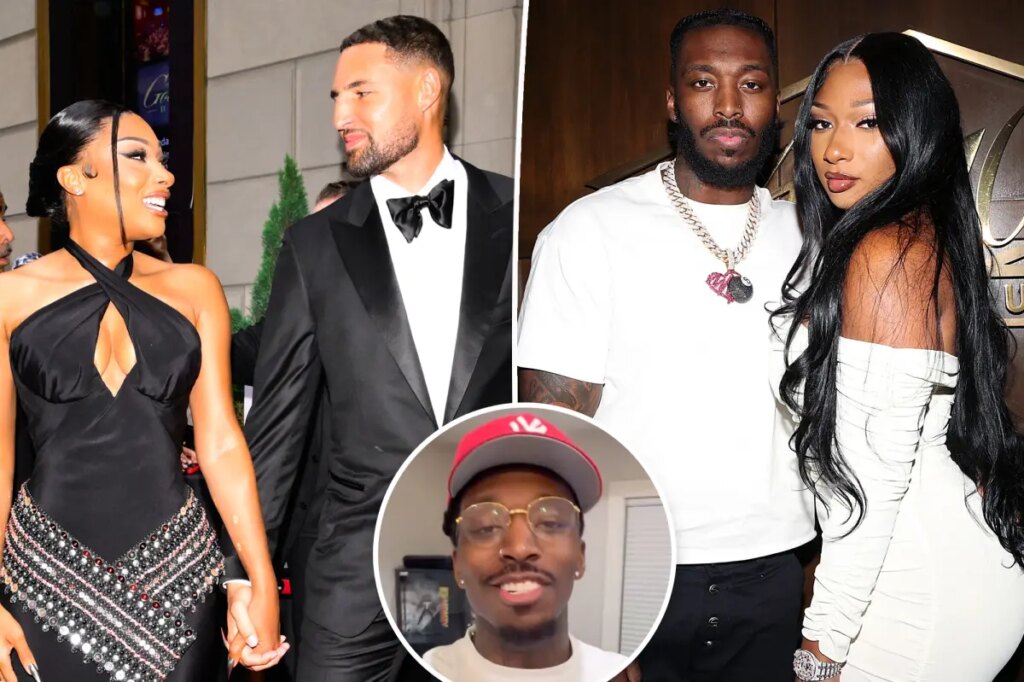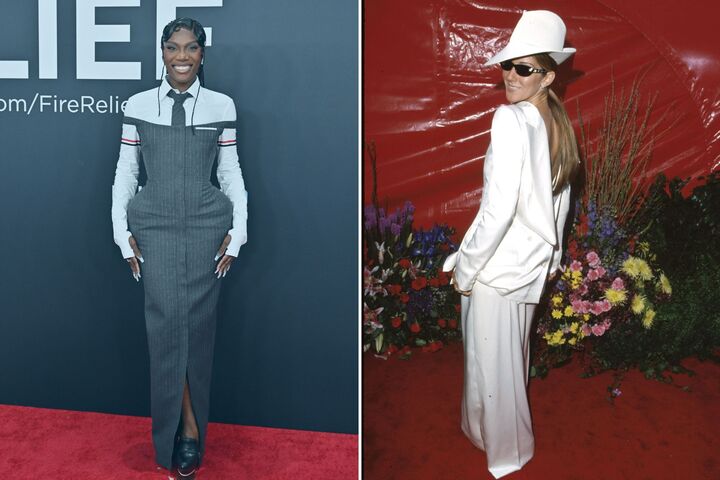
The Met Gala’s theme dropped with its usual fanfare—cryptic, lofty, and open to interpretation. This time, it’s not a decade, a designer, or a movement. It’s a question disguised as a prompt: an invitation to blur the line between art and attire, to wear meaning instead of just fabric. For celebrity stylists, this is both a dream and a nightmare. The brief is so ambiguous it could mean anything from literal recreations of Mona Lisa to sheer “naked” dresses that challenge modesty as art. So how do the pros navigate such uncertainty? We spoke to four top-tier stylists behind some of fashion’s most talked-about moments to decode their approach to the Met’s most interpretive theme yet.
The Theme That Isn’t: Why Ambiguity Reigns Supreme
This year’s Met Gala theme refuses to be pinned down. Unlike past directives like “Heavenly Bodies” or “Camp,” which offered clear stylistic jumping-off points, the current prompt feels more like a riddle. It leans into abstraction—inviting attendees to embody art, to wear it, become it, or critique it.
“It’s not about a dress,” says Maya Tran, stylist for Florence Pugh and Paul Mescal. “It’s about a statement. Are you the artwork? Are you the frame? Are you the curator walking through the gallery?”
This ambiguity forces stylists to go beyond aesthetics. They must consider concept, context, and cultural conversation. The risk? Falling into cliché. The reward? Creating something iconic.
Take the naked dress trend: sheer, flesh-toned mesh adorned with strategic embellishments. At first glance, it’s provocative. But styled with intention—paired with Renaissance-inspired gloves or a modern twist on a portrait frame—it becomes a commentary on the female form as both celebrated and scrutinized in art history.
Naked Dresses: Risk or Revelation?
Few red carpet moments spark more debate than the naked dress. Think Kim Kardashian in Givenchy at the 2013 Met Gala, or Rihanna in Adam Selman’s sheer beaded gown in 2014. These looks walk the edge between vulnerability and power, modesty and spectacle.
For this year’s theme, stylists see renewed potential in the silhouette—but with a twist.
“Naked dresses aren’t just about body exposure,” says Jamal Owens, who styled Harry Styles’ gender-fluid 2022 look. “They’re about presence. About asking: What does it mean to be seen? To be reduced to ‘the body’ in art history?”
Owens plans to style a client in a layered nude mesh gown with embedded LED elements that project fragments of famous paintings onto the fabric—Van Gogh’s Starry Night rippling across the torso, or Klimt’s gold patterns glowing at the hem. “It’s not just a dress. It’s a living canvas,” he explains.
But the gamble remains high. Misinterpret the tone, and the look reads as cheap provocation. Nail it, and it becomes a cultural moment.
Common Pitfalls to Avoid: - Over-accessorizing (distracts from the concept) - Poor fit or lining (ruins the illusion) - Ignoring the wearer’s comfort (leads to stiff, unnatural posing)
The key, stylists agree, is intentionality. Every sheer panel, every strategically placed bead, must serve the narrative.
The Mona Lisa Effect: When Iconic Art Becomes Wearable
If the naked dress represents the body as art, the Mona Lisa represents art as iconography. And this year, stylists predict a surge in references to Leonardo da Vinci’s masterpiece—not as costumes, but as conceptual springboards.
“Nobody’s going to show up painted like the Mona Lisa,” laughs designer and stylist Elena Ruiz. “But what if the gown mimics the painting’s composition? What if the embroidery follows the curve of her smile? Or the background landscape is reimagined in fabric?”
Ruiz is developing a look for a client that features a high-neck, structured bodice inspired by 16th-century Italian dress, but with a trompe-l’oeil effect: a hand-embroidered “portrait” of the wearer subtly embedded in the train, visible only from behind.
Others are taking bolder routes. One stylist revealed plans for a “reverse Mona Lisa” moment—where the wearer’s face is obscured by a mirrored veil, reflecting the audience instead. “It flips the power. Now you’re the subject,” they said.
The challenge here lies in subtlety. Fashion that references art too literally often reads as costume. The magic is in the suggestion.
Beyond the Obvious: Unexpected Art Movements Stylists Are Exploring
While Mona Lisa and nude silhouettes dominate early speculation, forward-thinking stylists are mining lesser-known art movements for inspiration.
1. Dadaism Known for its absurdity and anti-art ethos, Dada offers fertile ground. One stylist is crafting a look that appears chaotic at first—a mismatched suit with paint splatters, a monocle, a feathered cane—but upon closer inspection, every element references a Dadaist manifesto. “It’s fashion as protest,” they say.
2. Hyperrealism Think sculptures that look like humans, or paintings indistinguishable from photos. A rumored look involves a gown made entirely of silicone “skin” panels, mimicking wrinkles, pores, and veins. “It’s unsettling. That’s the point,” says the stylist behind it.
3. Conceptual Art Where the idea matters more than the object. One A-lister may arrive in an all-white outfit with a QR code on the back that links to a digital art piece. “The dress is just the vessel,” explains their stylist. “The real art lives online.”
These approaches push fashion beyond decoration. They turn the wearer into a participant in an artistic dialogue.
The Stylist’s Workflow: From Theme to Runway in 6 Weeks
How do stylists transform abstract ideas into red carpet reality? Here’s a behind-the-scenes look at their process:
Week 1: Research & Moodboarding Stylists dive into art history, pull references from museums, and study past Met Gala moments. They build digital and physical mood boards blending fashion, fine art, and cultural critique.
Week 2: Client Alignment Not every star wants to be a living art piece. The stylist assesses comfort level, brand image, and public perception. “Some clients want to be bold. Others want to be understood,” says Tran.
Week 3: Designer Outreach Stylists contact ateliers like Schiaparelli, Iris van Herpen, or emerging artists working at the intersection of fashion and sculpture. They negotiate timelines, budgets, and creative control.
Week 4: Prototyping Initial sketches evolve into muslins. Materials are tested—can silk really mimic oil paint? Can electronics survive a red carpet walk?
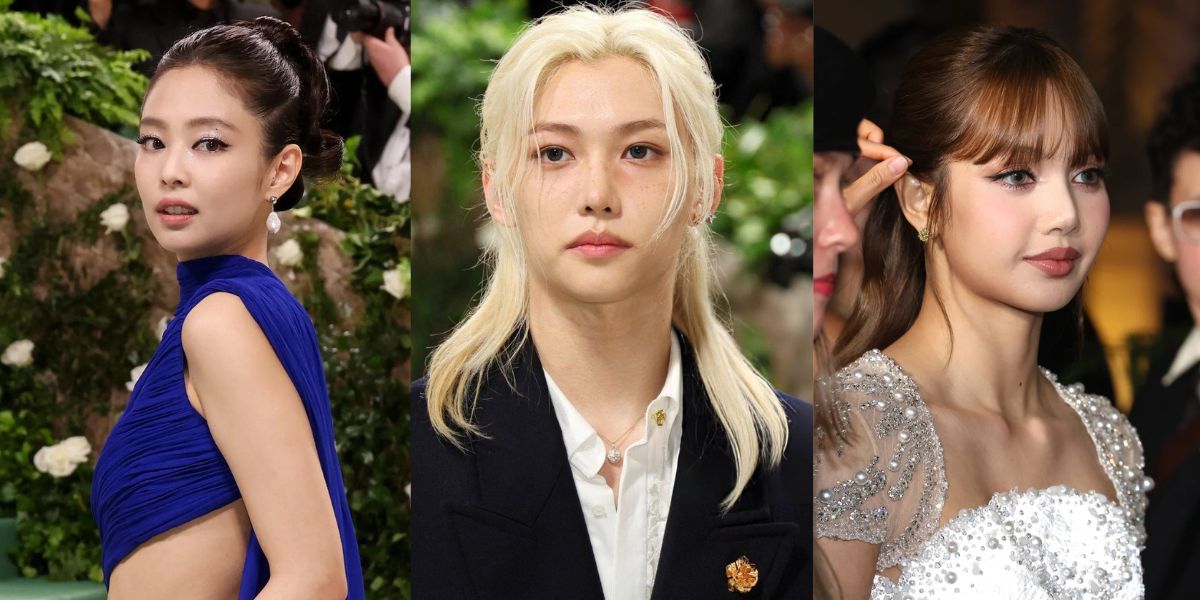
Week 5: Fittings & Adjustments Multiple fittings ensure the garment moves with the wearer. LED elements are recalibrated. Embroidery is fine-tuned.
Week 6: Crisis Management Zippers break. Trains snag. Makeup clashes. “The Met Gala is live theater,” says Owens. “You rehearse, but you also improvise.”
The Verdict: Will This Year’s Theme Inspire Genius or Chaos?
With no clear rules, this year’s Met Gala could be a masterclass in creativity—or a parade of misinterpreted signals.
Signs of Success: - Looks that provoke conversation beyond “What are they wearing?” - Styles that honor the wearer’s identity while engaging with art - Innovation in materials and storytelling
Red Flags: - Literal interpretations (e.g., someone dressed as The Scream) - Over-reliance on shock value without concept - Ignoring cultural context (e.g., appropriating indigenous art without credit)
Stylists agree: the best looks will feel inevitable in hindsight. Like Rihanna’s yellow Guo Pei cape in 2015—once seen, impossible to forget.
“This theme rewards bravery,” says Ruiz. “But not recklessness. It’s not about being loud. It’s about being meaningful.”
Final Predictions: What We’ll Actually See on the Red Carpet
Based on insider talks and design trends, here’s what’s likely to dominate:
- Sheer Renaissance Gowns: Naked dresses with Baroque embroidery, gold leaf accents, and portrait-frame headpieces.
- Living Art Installations: Wearable tech that projects famous paintings or shifts color with movement.
- Gender-Fluid Portraiture: Suits inspired by classical male portraiture, worn by women and non-binary stars.
- Minimalist Concept Pieces: All-white or monochrome looks with hidden details (e.g., a dress lined with micro-printed art essays).
- The “Anti-Outfit”: One star may arrive in plain clothing, carrying a sign that reads “This is art.” Pure Dada.
Closing: How to Make Ambiguity Work for You
Ambiguous themes aren’t loopholes—they’re invitations. The most powerful Met Gala moments don’t just follow the theme; they redefine it.
For stylists—and for anyone creating under vague direction—the lesson is clear: define your own parameters. Anchor your vision in research, align it with identity, and execute with precision. Whether you’re dressing a star or building a brand, ambiguity isn’t a barrier. It’s the space where originality thrives.
So go beyond the Mona Lisa. Beyond the naked dress. Ask: What does art do? And how can fashion make us feel it?
FAQ
What does the Met Gala’s ambiguous theme mean for stylists? It demands deeper conceptual thinking—stylists must interpret, not just decorate.
Are naked dresses still relevant for this year’s theme? Yes, but only if styled with artistic intent, not just for shock value.
Will we see literal recreations of famous paintings? Unlikely. Top stylists avoid literalism in favor of subtle, wearable references.
How far in advance do stylists plan Met Gala looks? Most begin 6–8 weeks out, with research starting as soon as the theme drops.
Can emerging designers compete with fashion houses at the Met Gala? Yes—many stylists now collaborate with avant-garde or tech-focused emerging talents.
What’s the biggest mistake celebrities make with artistic themes? Prioritizing appearance over meaning—looking artistic without engaging with art.
How do stylists balance celebrity image with bold concepts? Through collaboration, testing, and ensuring the look aligns with the star’s public persona.
FAQ
What should you look for in From Naked Dresses to Mona Lisa Suits: Stylists Decode the Met Gala’s Va? Focus on relevance, practical value, and how well the solution matches real user intent.
Is From Naked Dresses to Mona Lisa Suits: Stylists Decode the Met Gala’s Va suitable for beginners? That depends on the workflow, but a clear step-by-step approach usually makes it easier to start.
How do you compare options around From Naked Dresses to Mona Lisa Suits: Stylists Decode the Met Gala’s Va? Compare features, trust signals, limitations, pricing, and ease of implementation.
What mistakes should you avoid? Avoid generic choices, weak validation, and decisions based only on marketing claims.
What is the next best step? Shortlist the most relevant options, validate them quickly, and refine from real-world results.